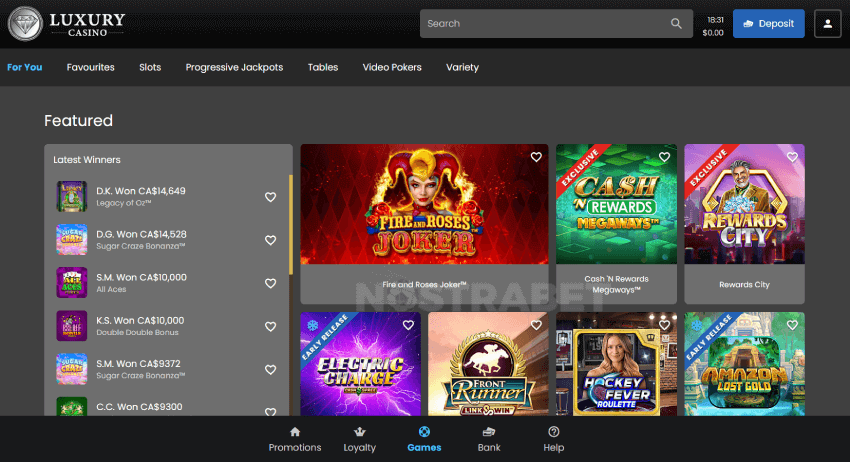
Account security matters before game selection, especially when an operator may request identity and payment documents before releasing funds. This Canadian casino gaming guide explains how to prepare for verification, protect login details and assess account restrictions without assuming that every listed feature is guaranteed. For readers reviewing lussurio casino, the practical priority is understanding what information may be requested, when a review can occur and how to keep a clear record of communications.
Why verification deserves attention before you play
Know Your Customer checks are a normal compliance step in online gambling, but they can affect the timing of withdrawals. Account registration may require accurate legal and contact information, residence details, an email address or phone number, an account currency and acceptance of the operator’s terms. Providing inconsistent information at the outset can create avoidable questions later.
Identity checks may involve a government-issued identity document, proof of residential address and evidence that the deposit or withdrawal method belongs to you. The precise document list can vary according to the account, transaction, jurisdiction and review stage. Before uploading anything, read the stated requirements carefully and make sure names, dates and addresses match the account record.
Verification is not necessarily completed immediately after registration. A review can be triggered before a withdrawal, after an account change or when a payment or game-provider check requires more information. Published material associated with this operator describes review windows of up to 72 hours, while also noting that additional checks may take longer. Treat any stated timeframe as an estimate, not a promise.
Which documents should be ready for a KYC review?
A sensible preparation method is to gather documents only after confirming the operator’s current instructions. A valid government-issued identity document is commonly requested, while an address document may include an accepted bank statement, utility bill or official correspondence. Documents usually need to be clear, readable and current, but the operator’s requirements should decide what is acceptable.

Payment ownership can be a separate part of the review. The casino may ask for evidence connected to a card, e-wallet, bank account or other funding method. Do not send a full card number or unnecessary financial information unless the stated procedure specifically requires it. If a document contains sensitive data that is not relevant, check whether the operator explains how it should be obscured.

Use a consistent personal profile throughout the account. Avoid abbreviated names, old addresses or payment instruments belonging to another person. Keep a private record of what was submitted, when it was sent and which support case it relates to. If the review asks for a replacement document, ask why the original was rejected rather than repeatedly uploading unclear files.
How can you protect the account while using a browser?
Start with a unique password that is not used for email, banking or other gambling accounts. A password manager can create and store a long, random credential without requiring you to memorise it. Do not share the password with friends or relatives, and avoid saving it on a public or shared device. Sign out when using a computer that is not exclusively yours.
Check that you are visiting the intended website before entering credentials. Look for the correct domain, a secure connection and the absence of unusual pop-ups or spelling changes. Do not follow login requests sent through unsolicited messages. For broader Canadian advice on protecting accounts and devices, consult Canada’s Get Cyber Safe guidance, which covers practical online security habits.
Keep your email account secure because it may be used for password recovery or verification messages. Enable multi-factor authentication there when available, review recent sign-in activity and avoid clicking unexpected password-reset links. A casino’s interface language or mobile browser access does not by itself prove that stronger authentication options are available, so check the account settings and published support information.
What restrictions can delay a withdrawal?
A pending payment does not automatically mean that funds have been lost, but it can indicate that a condition remains unresolved. Common issues include incomplete KYC, a mismatch between account and payment details, a duplicate-account concern, a withdrawal to an unsupported method or a payment-ownership review. Bonus terms may also affect whether a balance is presently withdrawable.
Some published descriptions indicate that deposits may need to be played through before withdrawal, even when no promotional bonus is involved. Promotional balances can have separate wagering rules, excluded games or withdrawal consequences. Never assume that a visible balance is immediately cashable. Read the applicable offer and account terms, especially before accepting another promotion or cancelling an existing one.
Game-provider reviews can also pause a transaction while activity is examined. If an account becomes restricted, ask support for the specific reason, the documents required and whether any deadline applies. Keep screenshots of status messages and copies of replies. Avoid opening another account to bypass a restriction, since duplicate-registration rules may create a separate compliance problem.
What should you do if access or verification fails?
Use the official login-recovery route first if you have forgotten a password or lost access to the registered email or phone. If recovery does not work, contact the listed support channel and provide only the information needed to identify the account. Do not create a second profile while waiting, even if the first account appears inaccessible.
When contacting support, write a concise timeline: registration date, relevant deposit or withdrawal date, verification submission, error message and previous case number. Ask one question at a time where possible. For example, request confirmation that a document was received, whether it is legible and what exact next step is required. This makes the exchange easier to audit.
If you suspect phishing, account takeover or an unauthorised transaction, change the password from a trusted device and secure the connected email account immediately. Review payment accounts separately and contact the relevant provider if necessary. Save suspicious messages and transaction records. Do not send additional documents to an unverified address merely because a message claims to represent support.
Questions readers often ask
Can verification be requested after registration?
Yes. A review may occur before a withdrawal, after an account or payment change, or when compliance checks require more information. Registration alone does not guarantee that identity checks are finished. Follow the current document instructions and expect additional review if information is inconsistent or a transaction raises an ownership question.
Is a mobile browser safer than a desktop computer?
Neither is automatically safer. Security depends on the device, operating system, browser updates, password practices and network. Use a trusted device, avoid public Wi-Fi for sensitive account activity, keep software updated and confirm the correct website before signing in. A browser-based service should not be confused with a verified native app.
What should I do when a withdrawal remains pending?
Check whether KYC, payment ownership, play-through or account restrictions remain outstanding. Then contact support in writing, request the reason for the delay and keep the case reference. Do not open a duplicate account or submit documents through an unverified channel. If the stated review period passes, follow up with the saved correspondence.